

sushitake (Find the Flag) – Target
sushitake (Find the Flag) - Target
- Name: Find the Flag
- Author: sushitake
- Platform: Windows
- Architecture: x86-64
- Language: C / C++
- Difficulty: 2.0 (Beginner) 🟡
- Quality: 4.9 ⭐
- Upload Date: 2024-02-08
- Description: A crackme reverse-engineering challenge. It can be solved dynamically, but in this writeup we will go through static reverse engineering. The target asks the user to enter a value that the program checks internally. The goal is to find the input that passes this check.
Running the target
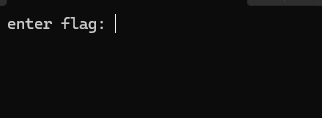
After running the target, it asks the user to input the flag:
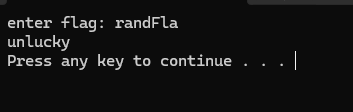
It shows an unlucky message and exits if the flag is incorrect:
Now reverse-engineering time
I opened the target in IDA Pro and decompiled the main function.
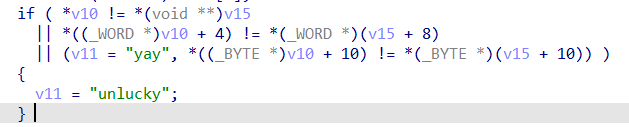
After decompiling, the first thing is to locate the success/fail decision.
Here is the if condition and we can see the unlucky message:
We can refactor that block into a clearer form like this:
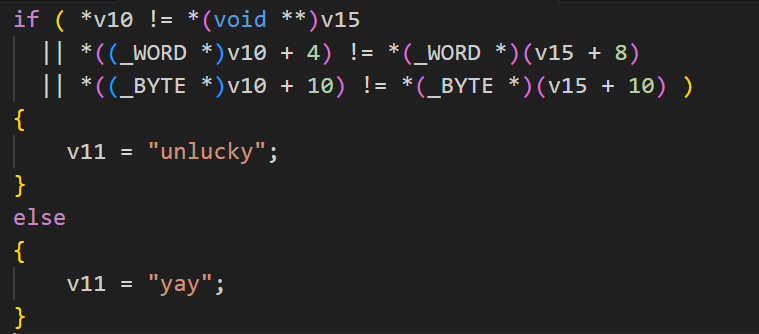
Now we want yay printed instead of unlucky.
Identify user input
In the snippet below, the user input is stored in Block, then later copied into v10:

Notice: v10 is used in the if condition, so we’re on the right track.
Identify the flag buffer
After analysing the snippet below, we can see that v9 is the flag buffer,
and v15 is a pointer to v9.
That explains why v15 appears in the if condition.
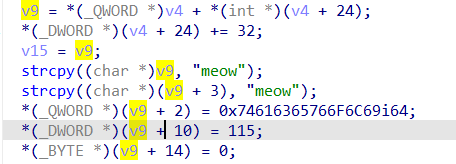
We can also notice overlapping writes used to confuse/obfuscate the final string.
Rebuild the flag by going through the overlapping writes
1) First write
It assigns v9 to the string "meow":

So the v9 value will look like:
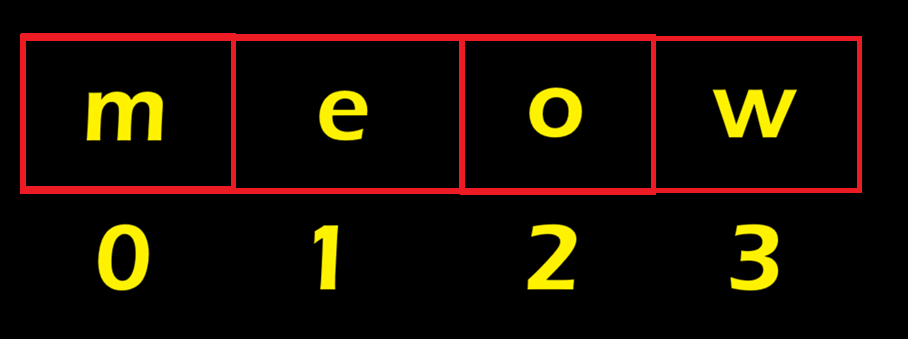
2) Second overlapping write

This means we add the string "meow" again, but starting from index 3.
If a position is already occupied, it gets overwritten.
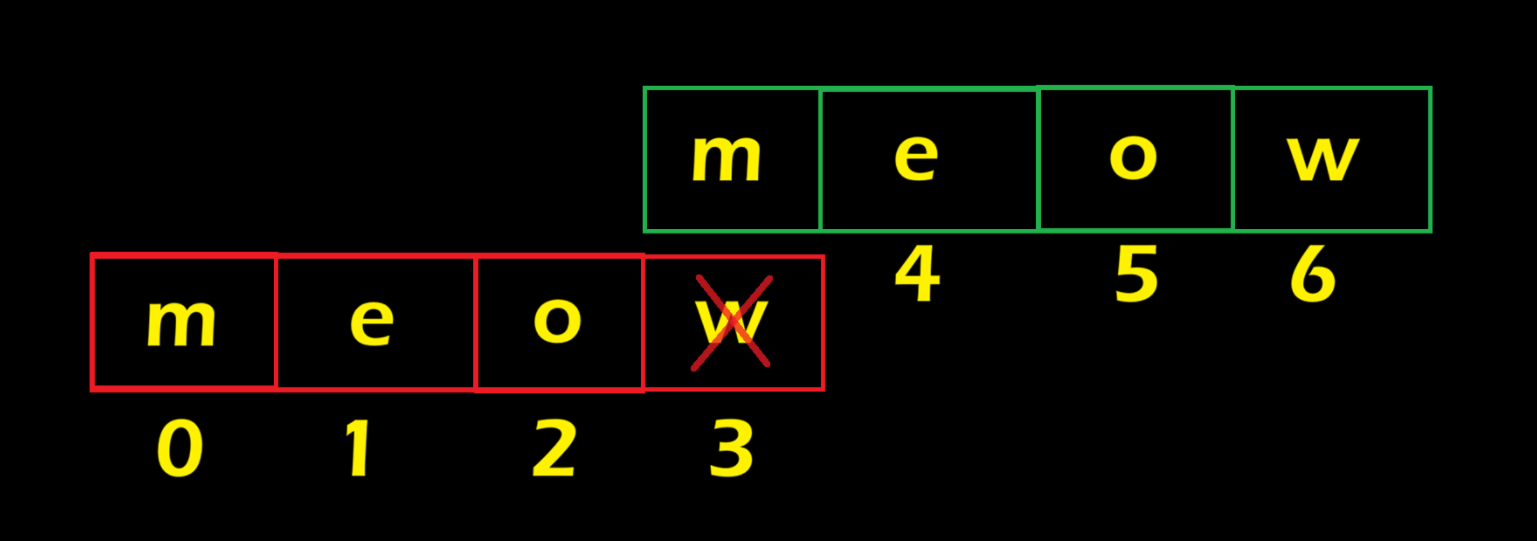
In this case, v9 becomes:
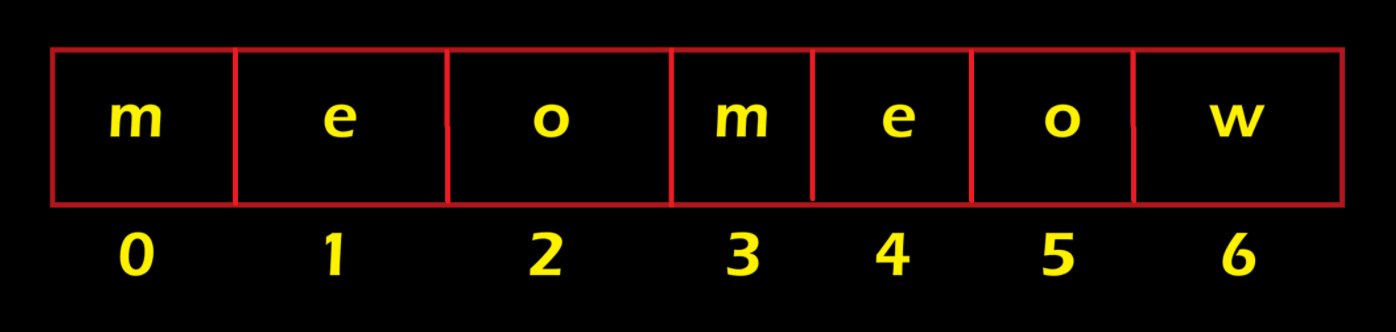
3) Third overlapping write (endianness trick)

It starts from index 2. The tricky part: we can’t insert the hex directly as-is because x86 is little-endian (bytes are reversed in memory).
Instead of inserting bytes like this:
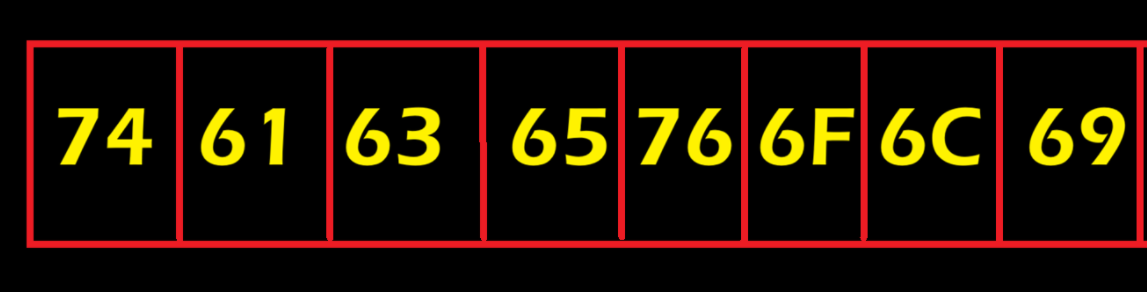
We reverse them like this:
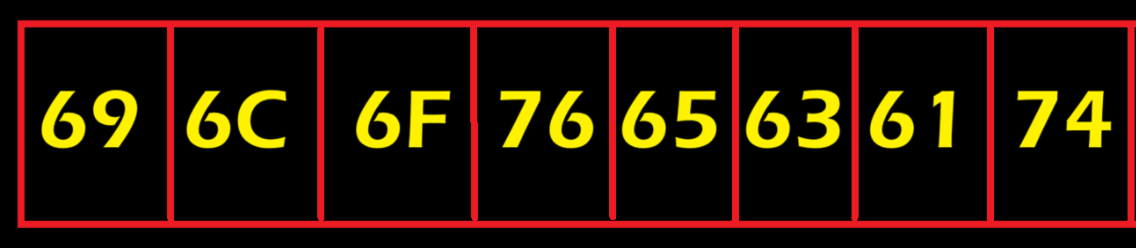
To simplify, convert the hex to ASCII:
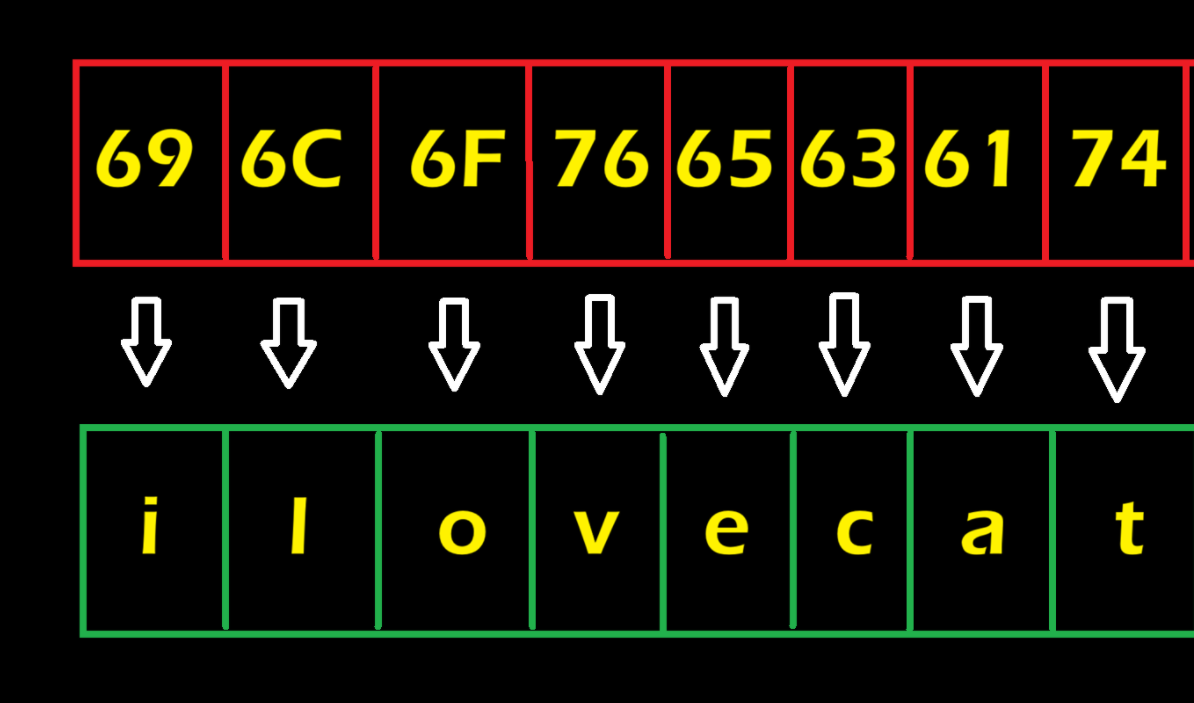
Now add the ASCII into v9 + 2:
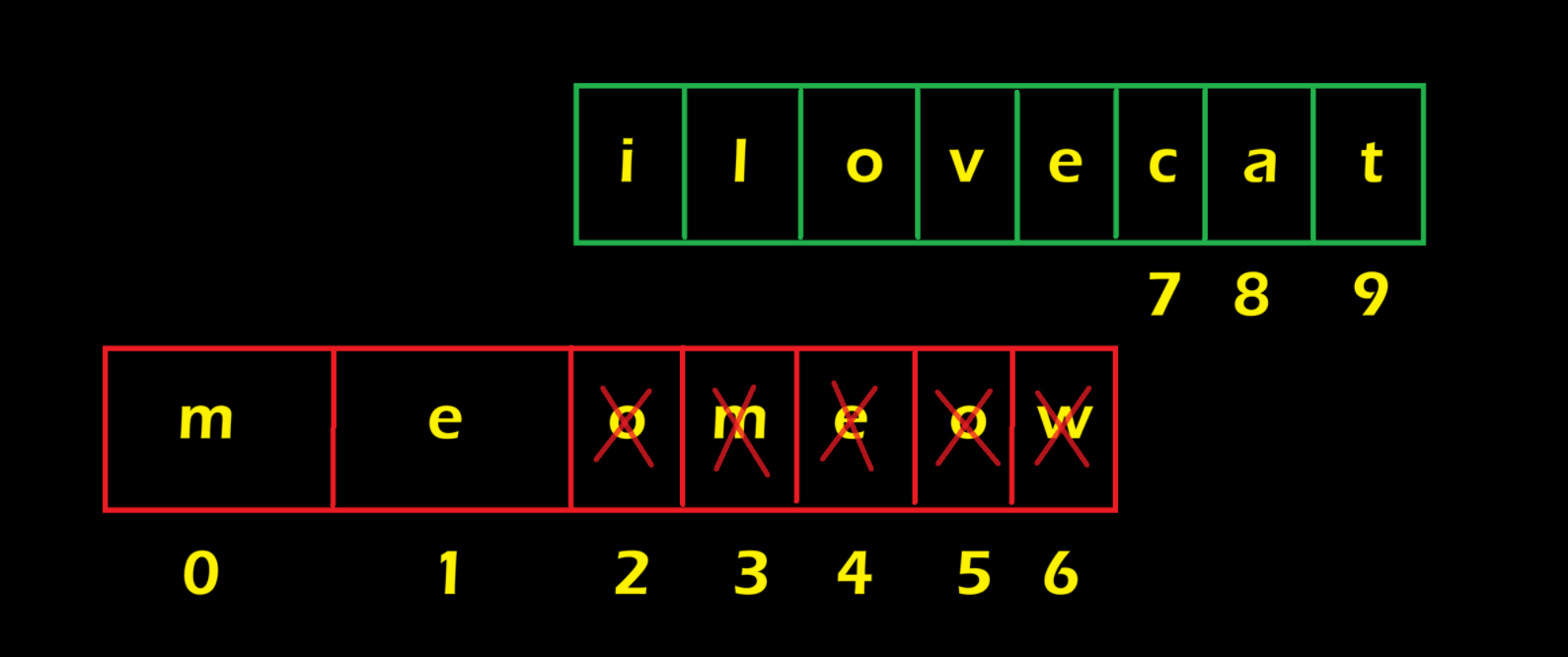
So v9 will be:
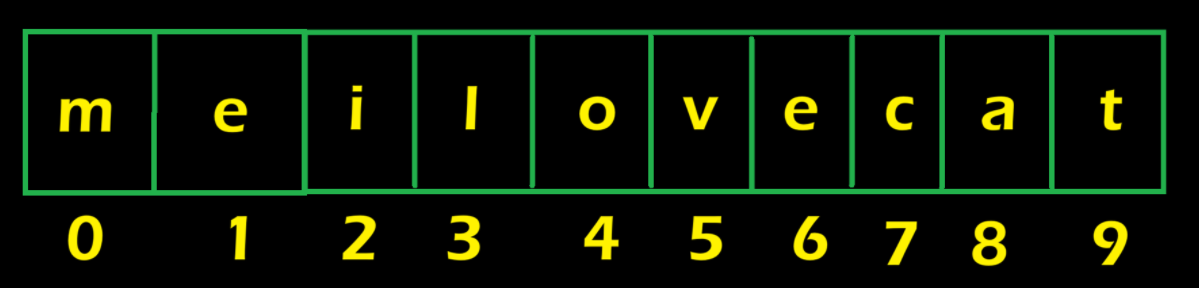
4) Final overlapping write

This means we add "s" at index 10:
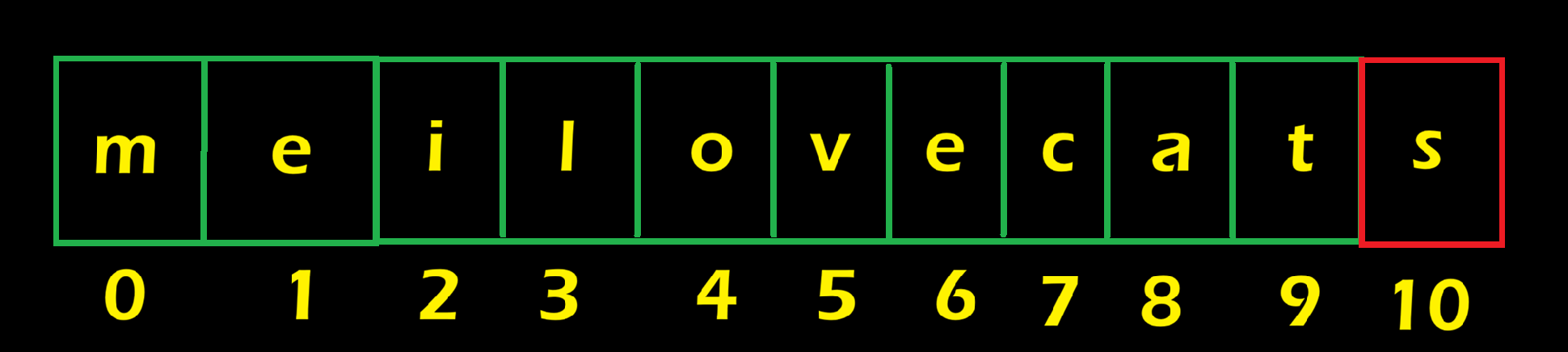
This line adds the null terminator \0 so the program knows the string end:

Final flag: meilovecats
Let’s try it:
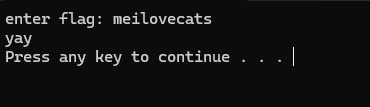
- We get
yay, which means we recovered the correct flag ✅ - Thanks for reading! This challenge is a fun example of how overlapping memory writes can hide a flag, solved fully via static analysis.